
During the eruption of wisdom teeth, discomfort is common and often unavoidable. Early signs may include swollen or reddened gums, pain in the upper or lower jaw, and tenderness around the affected area. In some cases, wisdom teeth eruption can also cause headaches or ear pain.
Discomfort near the wisdom tooth can range from mild soreness to persistent, throbbing pain that makes everyday activities such as opening your mouth, chewing, or brushing your teeth difficult.
Leaving impacted or severely painful wisdom teeth untreated can lead to serious oral health issues, including tooth decay, cavities, gum bleeding, bad breath, difficulty swallowing, intense pain, and the development of cysts that may spread infection to surrounding tissues.
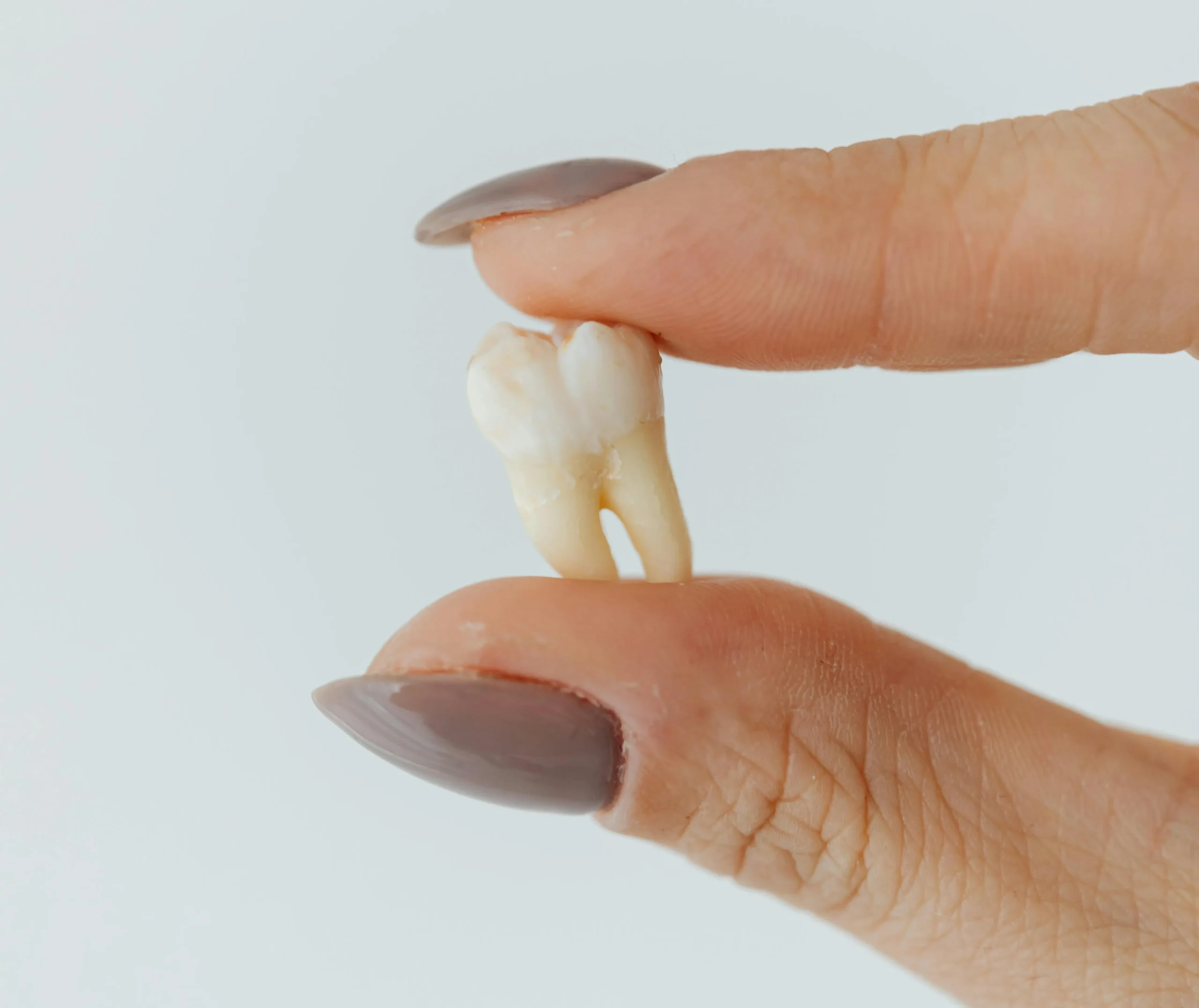
Wisdom teeth are not related to intelligence, despite the name. In many cases, they need to be removed because they can cause discomfort and interfere with oral health. Most people develop up to four wisdom teeth, although not everyone will have all four. Often, there is not enough space in the jaw for these teeth to erupt properly, which can lead to impaction.
Impacted wisdom teeth can cause a range of dental problems, including:
Wisdom teeth pain can occur when the teeth begin to emerge or become impacted. If you experience swelling, discomfort, or difficulty chewing, consult a qualified dentist in Lahore for wisdom teeth treatment. Timely evaluation can help identify the cause of the pain and determine whether medication, monitoring, or extraction is needed


Your most asked questions about wisdom teeth, answered.
We understand that many people feel anxious about visiting the dentist, often due to past negative experiences. Rest assured, our compassionate and understanding dentists are here to support you. Whether your concerns are about discomfort, treatment costs, or anything else, talking to us openly is the best way forward. Your comfort and peace of mind are always our top priority.
Yes, wisdom teeth can cause pain, tenderness, or swollen gums as they emerge. However, persistent or severe pain may indicate impaction or infection and should be evaluated by a dentist.
Wisdom tooth pain may feel like aching or pressure at the back of the jaw. Some people experience swollen gums, discomfort while chewing, or difficulty opening their mouth.
Wisdom tooth pain may last a few days or longer, depending on its cause. If pain persists, worsens, or returns repeatedly, consult a dentist to identify the problem.
Rinse gently with warm salt water, apply a cold compress to your cheek, and eat soft foods. Use appropriate pain relief according to the label or a healthcare professional’s advice. See a dentist if symptoms persist or worsen.
Local anesthesia numbs the area, so you should feel pressure rather than sharp pain during removal. Some soreness and swelling are common afterward and generally improve over several days.
The cost depends on whether the tooth has fully erupted, is impacted, and requires a simple or surgical extraction. A dental examination and any necessary X-rays help determine the appropriate treatment and cost.
Try warm saltwater rinses, a cold compress, gentle brushing, and soft foods. These measures may provide temporary relief but cannot treat an underlying infection or impacted tooth.